

Fence & Deck Workmanship
Best Fence Styles for Privacy, Security, and Curb Appeal
June 10, 2026

Choosing the Right Fence for Your Home
A fence does far more than simply mark property lines. The right fence can improve privacy, increase security, boost curb appeal, and even add value to your home. With so many fencing materials and styles available, many homeowners find themselves wondering which option best fits their needs and aesthetic preferences.
Whether you are looking to create a more private backyard, improve safety for children and pets, or enhance the appearance of your property, selecting the right residential fencing style is an important decision. From classic wood fencing to modern decorative options, understanding the benefits of each style can help you make the best investment for your home.
Why Residential Fencing Matters
Residential fencing serves several important purposes for homeowners. Depending on the style and material chosen, a fence can provide:
- increased privacy
- enhanced security
- improved property appearance
- safer outdoor spaces
- noise reduction
- better boundaries for pets and children
In addition to functionality, fencing also contributes significantly to the overall look and feel of a property. A well-designed fence can complement landscaping, improve curb appeal, and create a more polished exterior appearance.
Because fencing is both a practical and visual investment, homeowners should carefully consider their goals before choosing a style.
Wood Fencing Remains a Popular Choice
Among all fencing materials, wood fencing continues to be one of the most popular options for residential properties. Many homeowners are drawn to wood because of its timeless appearance, versatility, and natural warmth.
Wood fencing works well with many architectural styles and landscaping designs, making it a flexible option for a wide variety of homes.
Some of the biggest benefits of wood fencing include:
- strong privacy coverage
- customizable designs
- natural appearance
- affordability compared to some materials
- multiple stain and paint options
Wood fences can also be tailored to fit both traditional and modern aesthetics depending on the style selected.
Privacy Fences for Secluded Outdoor Spaces
Privacy fencing is one of the most requested types of residential fencing, especially for homeowners who want to enjoy their outdoor space without feeling exposed to neighbors or nearby roads.
Privacy fences are typically taller and designed with little to no spacing between boards or panels. This creates a more enclosed and secluded environment.
Popular Privacy Fence Styles
Board-on-Board Wood Fencing
Board-on-board wood fencing is a highly effective option for privacy because the overlapping boards eliminate gaps. This style offers:
- excellent privacy
- strong durability
- attractive dimensional appearance
It is especially beneficial for homes with uneven ground where standard fences may leave visible gaps.
Shadowbox Fencing
Shadowbox fencing offers semi-privacy while still allowing airflow through the fence. This style alternates boards on each side of the fence rails, creating a visually appealing design from both sides.
Homeowners often choose shadowbox wood fencing because it balances privacy with a more open and decorative appearance.
Traditional Privacy Fencing
Traditional vertical privacy fencing remains one of the most common residential fencing styles. These fences feature tightly placed vertical boards and can be customized with different top finishes such as:
- flat tops
- lattice tops
- dog-ear styles
- scalloped designs
This style works well for homeowners prioritizing both security and backyard privacy.
Security-Focused Fence Styles
For homeowners focused on safety and protection, fence design plays a major role in improving security.
A strong residential fencing system can:
- deter trespassing
- keep pets and children safely contained
- create clearer property boundaries
- improve peace of mind
Tall Wood Fencing for Security
Tall wood fencing is often chosen for homes that prioritize both security and privacy. Solid wood panels make it difficult to see into the property while also creating a physical barrier.
Many homeowners appreciate that wood fencing can provide security without making the property feel overly industrial or harsh.
Aluminum and Metal Fencing
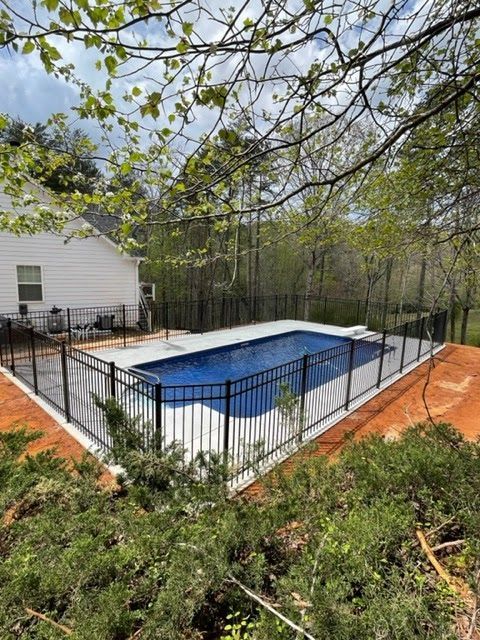
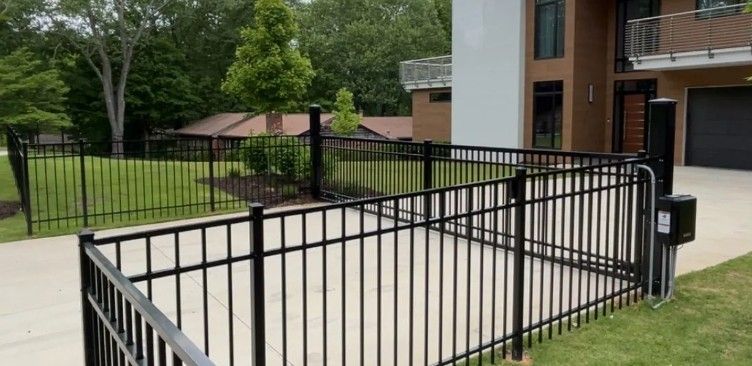
While wood fencing is ideal for privacy, aluminum or metal fencing can also improve security while maintaining visibility and curb appeal.
These fences are commonly used around:
- front yards
- pools
- gated entrances
- decorative landscaping
Metal fencing tends to offer a more open appearance while still creating strong property boundaries.
Fence Styles That Improve Curb Appeal
A fence is often one of the first things people notice about a home. Choosing the right style can significantly improve the appearance and character of a property.
The best residential fencing styles blend functionality with aesthetics to create a polished exterior design.
Decorative Wood Fencing
Decorative wood fencing adds charm and character while maintaining a natural appearance. Homeowners may choose decorative elements such as:
- lattice accents
- horizontal slats
- custom staining
- post caps
- modern wood designs
Wood fencing offers nearly endless customization possibilities, making it easy to create a look that complements the home’s architecture.
Horizontal Wood Fencing
Horizontal wood fencing has become increasingly popular in modern residential design. Instead of traditional vertical boards, this style uses horizontal planks to create a sleek and contemporary appearance.
Benefits of horizontal wood fencing include:
- modern curb appeal
- clean lines
- customizable spacing
- visually wider yard appearance
This style works particularly well for contemporary homes and updated outdoor living spaces.
Factors to Consider Before Choosing a Fence
Before installing residential fencing, homeowners should evaluate several important factors to ensure they select the best option for their needs.
Privacy Needs
Consider how much privacy you want in your outdoor space. Homes in busy neighborhoods may benefit from taller solid fences, while larger properties may not require complete privacy coverage.
Maintenance Requirements
Different fencing materials require different levels of maintenance. Wood fencing may require occasional staining, sealing, or repairs to maintain its appearance and longevity.
Homeowners should choose a fence material that fits both their budget and long-term maintenance preferences.
HOA and Local Regulations
Some neighborhoods and homeowners associations have restrictions regarding fence height, style, or materials. It is important to review local guidelines before beginning a fencing project.
Overall Home Style
The fence should complement the architecture and landscaping of the home rather than compete with it. Choosing a fence style that matches the property’s overall aesthetic helps maximize curb appeal.
Investing in the Right Residential Fence
Installing residential fencing is an investment in both the function and appearance of your property. Whether your primary goal is privacy, security, curb appeal, or all three, selecting the right fence style can dramatically improve your outdoor living space.
Wood fencing continues to be one of the most versatile and attractive options for homeowners because it offers strong privacy, customizable designs, and timeless visual appeal. By carefully considering your goals and working with experienced fencing professionals, you can choose a fence that enhances your property for years to come.
May 18, 2026
Looking for the best fence company near you Learn what to look for including experience pricing materials and service to make the right choice
April 8, 2026
Learn the best time of year to install a fence in Georgia, including weather factors, costs, and timing tips for long lasting results.

March 9, 2026
Learn about the fence styles that add the most value to Georgia homes, and learn how the right fence can boost curb appeal and resale potential.